
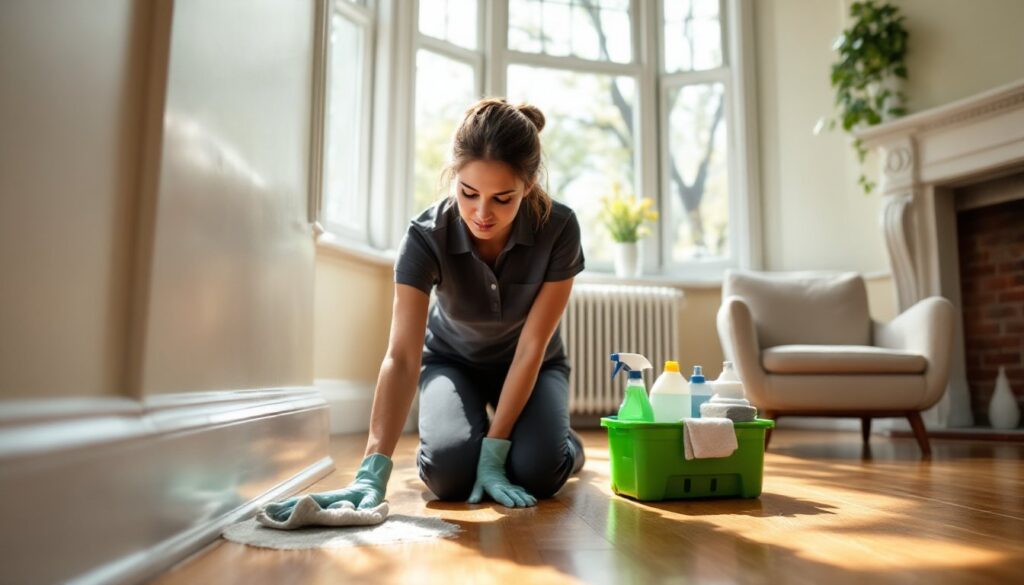

Cambridge homeowners juggle busy schedules, historic property maintenance, and the region’s seasonal grime, road salt in winter, pollen in spring, and dust from ongoing renovations in older neighborhoods. Keeping a home clean isn’t just about appearances: it’s about protecting finishes, preventing allergen buildup, and maintaining property value. Whether tackling the job yourself or hiring pros, understanding what works in Cambridge’s mix of vintage Victorians and modern condos makes all the difference. This guide covers essential cleaning services, DIY strategies tailored to local conditions, how to vet providers, realistic pricing, and prep work that ensures you get results worth paying for.
Table of Contents
ToggleKey Takeaways
- Regular house cleaning in Cambridge protects hardwood floors, prevents mold in older homes, and maintains property value in a competitive housing market.
- Cambridge’s seasonal challenges—winter road salt, spring pollen, and construction dust—require tailored cleaning strategies like HEPA vacuums, boot trays, and quarterly deep cleans.
- Standard house cleaning costs $120–$350 for routine maintenance, while deep cleans run 1.5–2× higher; hiring recurring services typically saves 10–15% compared to one-time visits.
- Verify cleaning providers carry liability insurance, conduct background checks, and employ staff directly rather than contractors for consistent quality and accountability.
- DIY success relies on scheduled frequency (weekly, bi-weekly, monthly tasks) and the right tools—HEPA vacuums, microfiber cloths, and steam mops—rather than sporadic marathon cleaning sessions.
- Proper prep work like decluttering, securing valuables, and communicating priorities with cleaners reduces billable time by 20–30 minutes per visit and ensures better results.
Why Regular House Cleaning Matters for Cambridge Homeowners
Cambridge’s older housing stock, triple-deckers, Craftsman homes, and brick row houses, comes with quirks that make cleaning more than a cosmetic chore. High ceilings collect dust that settles on crown molding. Single-pane windows let in drafts that carry grit. Radiator heating systems kick up particles all winter.
Neglecting regular cleaning accelerates wear. Dust scratches hardwood floors when ground underfoot. Soap scum etches vintage tile. Moisture from infrequent bathroom cleaning can encourage mold in poorly ventilated older baths, a common issue in pre-1950s construction without exhaust fans.
Beyond maintenance, health matters. Cambridge’s tree canopy, beautiful in fall, generates pollen and leaf debris that infiltrates homes. The city’s proximity to major roadways means fine particulate matter settles indoors. Regular cleaning reduces respiratory irritants, especially critical for households with kids, elderly residents, or anyone with asthma.
Property value hinges partly on condition. A well-maintained interior signals care to future buyers or renters. In a competitive market, homes that smell fresh, show clean grout lines, and lack buildup on fixtures move faster and command better offers.
Essential House Cleaning Services Available in Cambridge
Cambridge cleaning services range from basic recurring maintenance to specialized deep cleans. Understanding what’s included helps match service to need.
Standard Cleaning covers the basics: vacuuming, mopping, dusting surfaces, wiping down kitchens and baths, and emptying trash. Most providers do this on weekly, bi-weekly, or monthly schedules. Expect surface-level work, baseboards and inside cabinets aren’t typically included unless requested.
Deep Cleaning goes further. Services scrub grout, wipe down baseboards and door frames, clean inside appliances (oven, fridge), wash windows, and address neglected areas like behind toilets or under furniture. This is recommended seasonally or before/after a move. Plan on 4–6 hours for a typical Cambridge two-bedroom.
Move-In/Move-Out Cleaning focuses on empty spaces. Providers clean inside all cabinets, closets, and appliances, scrub floors without furniture in the way, and ensure the place is tenant- or buyer-ready. Landlords often require this for security deposit return.
Specialized Services include post-construction cleaning (fine dust removal after renovations), green cleaning (eco-friendly products for sensitive households), and organizing services that go beyond cleaning into decluttering. Some Cambridge providers offer add-ons like interior window washing, carpet shampooing, or upholstery steam cleaning.
Most companies provide their own supplies and equipment. If you have specific product preferences, say, fragrance-free or hypoallergenic cleaners, confirm they’ll accommodate that upfront.
DIY House Cleaning Tips for Cambridge Residents
Doing it yourself saves money and gives control over products and timing. Success comes from systems, not sporadic marathon sessions.
Schedule by Frequency, Not Mood. Weekly tasks: vacuum high-traffic areas, mop kitchen/bath floors, clean toilets and sinks, wipe kitchen counters and appliances. Bi-weekly: dust all surfaces including baseboards, vacuum under furniture, clean mirrors and glass. Monthly: wash windows, scrub grout, deep-clean appliances, launder curtains or blinds.
Invest in the Right Tools. A quality HEPA-filter vacuum captures fine particles common in Cambridge’s urban environment. Microfiber cloths (not paper towels) trap dust instead of spreading it. A steam mop works well on tile and sealed hardwood without harsh chemicals, useful for older homes where you’re unsure about finish compatibility. For tight spaces in vintage kitchens, a detail brush set (like those sold for auto detailing) reaches crevices around faucets and cabinet hardware.
Address Seasonal Issues. Winter: place boot trays and mats at entries to contain road salt, which damages wood and stone. Spring: run HEPA air purifiers during pollen season and vacuum upholstery weekly. Summer: higher humidity can cause mildew in basements, run a dehumidifier and clean with diluted bleach or hydrogen peroxide. Fall: clean gutters and entry areas frequently as leaf debris tracks in.
Room-by-Room Cleaning Strategies
Kitchen: Wipe down counters and stovetop daily. Weekly, pull out appliances to clean behind them, grease and crumbs attract pests. Degrease range hood filters monthly by soaking in hot water with dish soap or running through the dishwasher. For vintage porcelain sinks common in older Cambridge homes, avoid abrasive cleaners: use baking soda paste instead to prevent scratching.
Bathroom: Spray tile and tub after each use to prevent soap scum buildup, this cuts weekly scrubbing time in half. Use a daily shower cleaner or a 1:1 vinegar-water solution. Clean grout with a stiff brush and oxygenated bleach (safer than chlorine and less likely to discolor colored grout). If you have original hex tile, reseal grout annually to prevent staining.
Living Areas: Dust from top down, ceiling fans and light fixtures first, then surfaces, finally floors. Cambridge homes with radiator heat should vacuum radiator fins monthly: dust buildup reduces efficiency and spreads when heat kicks on. For hardwood floors, use a damp (not wet) microfiber mop and a pH-neutral cleaner. Excess water warps boards, a real risk in older homes with gaps between planks.
Bedrooms: Wash bedding weekly in hot water (at least 130°F) to kill dust mites. Vacuum mattresses monthly and flip or rotate per manufacturer guidelines. Closets benefit from twice-yearly purges, less clutter means less dust accumulation and easier cleaning.
Basement/Attic: These spaces in Cambridge’s older homes often lack climate control and attract moisture. Check for water intrusion after heavy rain. Clean dehumidifier tanks weekly and replace filters as needed. Sweep or vacuum quarterly to prevent dust from migrating upstairs through ductwork or stairwells.
Many tested home cleaning methods emphasize working in sections rather than room-by-room, which reduces redundant trips for supplies.
How to Choose the Right House Cleaning Service in Cambridge
Cambridge has dozens of cleaning services, from solo operators to regional franchises. Vetting carefully avoids hassles and ensures quality.
Licensing and Insurance: Verify the company carries general liability insurance and workers’ compensation coverage. If a cleaner is injured on your property or damages something, you’re protected. Sole proprietors may not carry workers’ comp, which shifts liability risk to you. Ask for proof upfront.
Employee vs. Contractor Model: Some services employ cleaners directly (W-2 employees): others use independent contractors (1099). Employee-based models often mean more consistent training and accountability. Contractor models can offer flexibility but may have higher turnover.
Screening Practices: Ask how cleaners are vetted. Background checks should be standard, especially since workers have access to your home and belongings. References matter, request and actually call them.
Service Customization: Can you request specific tasks or skip areas? Some companies work from rigid checklists: others tailor each visit. If you have delicate antiques, specific allergies, or pet considerations, confirm they’ll accommodate.
Pricing Structure: Flat-rate pricing (per visit or per square foot) provides predictability. Hourly rates can creep up if cleaners work slowly. Get quotes in writing with inclusions and exclusions spelled out.
Communication and Scheduling: How easy is it to reschedule or add tasks? Can you text or use an app, or must you call during business hours? Responsive communication prevents frustration when plans change.
Trial Period: Many services offer a discounted first clean or a satisfaction guarantee. Use it to evaluate quality and compatibility before committing to a recurring schedule.
Local online reviews help, but read critically. A pattern of complaints about punctuality, damage, or poor communication is a red flag. One-off bad reviews can happen to any business: systemic issues suggest deeper problems.
Cost of House Cleaning Services in Cambridge
Pricing in Cambridge reflects the region’s higher cost of living and wage expectations. As of 2026, here’s what to expect, though rates fluctuate with market conditions and provider reputation.
Standard Cleaning: $120–$200 for a one-bedroom apartment, $150–$250 for a two-bedroom, $200–$350 for a three-bedroom house. Larger homes or those with multiple bathrooms trend toward the higher end. Recurring service (weekly or bi-weekly) often earns a 10–15% discount vs. one-time visits.
Deep Cleaning: Typically 1.5–2× the cost of a standard clean. Expect $250–$400 for a two-bedroom and $350–$600 for a three-bedroom. First-time clients are often required to start with a deep clean before transitioning to standard maintenance.
Move-In/Move-Out: $200–$450 depending on size and condition. Add-ons like carpet cleaning ($50–$150 per room) or appliance deep cleaning ($25–$75 per appliance) increase totals.
Hourly Rates: Some providers charge $40–$70 per cleaner per hour, with a two-hour minimum. For a standard clean, figure 1.5–3 hours for smaller homes, 3–5 hours for larger ones.
Specialty Add-Ons: Interior window cleaning runs $3–$7 per window. Refrigerator deep clean: $40–$75. Oven cleaning: $25–$60. Organizing services (beyond cleaning) range from $50–$100 per hour.
Tipping: Not mandatory but appreciated, especially for excellent service. A standard guideline is 15–20% or $10–$20 per cleaner for one-time jobs. For recurring service, many clients tip during holidays instead of each visit.
Cost Factors: Prices rise with home size, level of clutter, pet hair (which requires more time), and special requests like using client-provided products. Companies that pay employees higher wages or provide benefits may charge more but often deliver greater reliability. Green or eco-friendly cleaning services sometimes add a 10–15% premium for specialized products.
Always request itemized quotes from at least three providers. The cheapest option isn’t always the best value, especially if quality or reliability suffers.
Preparing Your Cambridge Home for Professional Cleaners
Proper prep maximizes the value of a cleaning service and minimizes wasted time. Cleaners focus on cleaning, not organizing or decluttering, unless you’ve specifically hired for that.
Declutter First. Pick up toys, clothes, dishes, mail, and other items off floors and surfaces. Cleaners can’t dust a table buried under papers or vacuum a floor covered in shoes. Five to ten minutes per room beforehand saves 20–30 minutes of billable time.
Secure Valuables. Put away jewelry, cash, and small electronics. Most services are insured and trustworthy, but removing temptation protects everyone. If you have fragile heirlooms or antiques, move them or leave a note to skip those areas.
Handle Pets. Crate dogs or keep them in a closed room, especially if they’re nervous around strangers. Some cleaners are uncomfortable around pets or have allergies. Communicate pet arrangements in advance. Cat litter boxes should be accessible for cleaning if that’s included.
Provide Access. If you won’t be home, confirm how cleaners will enter (lockbox, key, door code). Test access methods beforehand. If certain rooms or closets are off-limits, lock them or mark clearly with a note.
Communicate Priorities. First visit? Walk through with the crew or leave detailed notes. Point out problem areas (stubborn stains, scuffed baseboards) and areas needing less attention (rarely used guest room). Effective home organization strategies often suggest making a priority list for cleaners to follow.
Stock Supplies (If Needed). Most services bring everything, but confirm. If you prefer specific products due to allergies or surface compatibility (e.g., a particular hardwood floor cleaner), have them accessible and labeled.
Clear High-Value Areas. Move lightweight furniture (dining chairs, small side tables) if you want floors cleaned underneath. Heavier pieces usually stay put unless you’ve requested furniture moving as an add-on.
Check HVAC Filters. If your home is especially dusty, replace filters before a deep clean. This prevents recirculation of particles the cleaners just removed.
Post-clean, do a walkthrough while the crew is still there. It’s easier to address missed spots immediately than to call back later. Most reputable services will touch up anything you point out on the spot.