
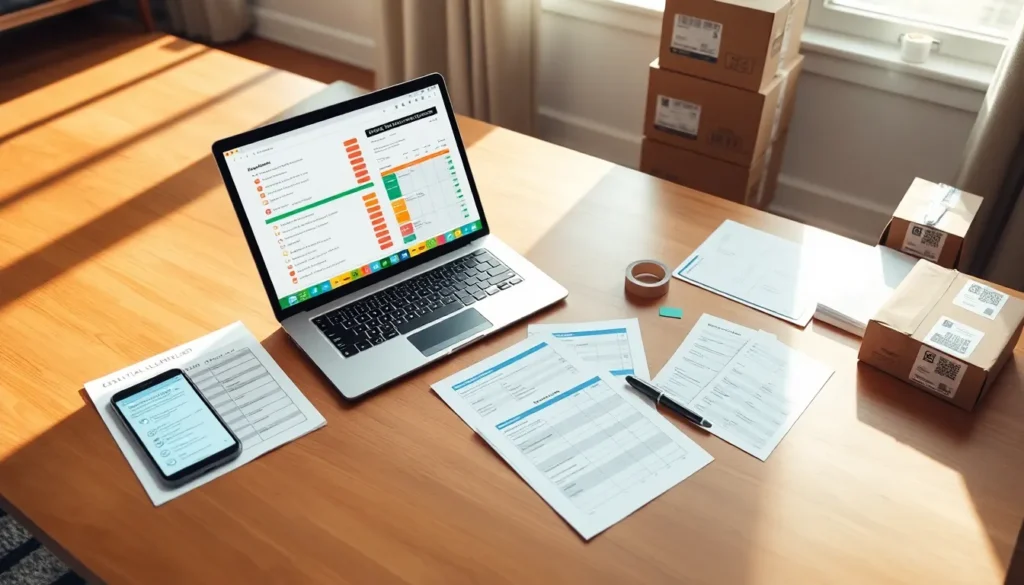

Moving day planning tools turn a stressful relocation into a manageable project. These digital and physical resources help people organize tasks, track belongings, and stay on budget. Without proper planning tools, moving often leads to forgotten items, missed deadlines, and unexpected costs. The right combination of apps, checklists, and tracking systems keeps every detail in order. This guide covers the essential moving day planning tools that make relocations smoother and less overwhelming.
Table of Contents
ToggleKey Takeaways
- Moving day planning tools transform chaotic relocations into structured, manageable projects by organizing tasks, tracking belongings, and controlling costs.
- Digital apps like Sortly, Moved, and MoveAdvisor centralize inventory management and provide personalized timelines with helpful reminders.
- A phased moving checklist—covering 8 weeks out through post-move tasks—prevents procrastination and distributes work evenly.
- Color-coded labels and numbered box systems save hours during unpacking by directing movers and helping you locate items quickly.
- Budget tracking with spreadsheets or dedicated apps prevents financial surprises from moving company fees, packing supplies, deposits, and travel expenses.
- Combining the right moving day planning tools based on your relocation’s complexity ensures nothing gets forgotten and reduces stress significantly.
Why You Need Dedicated Moving Tools
Moving involves hundreds of small tasks that add up quickly. People who rely on memory alone often forget critical steps like transferring utilities or updating their address with important institutions.
Dedicated moving day planning tools provide structure during a chaotic time. They break down the entire process into actionable steps with clear deadlines. This approach prevents last-minute scrambles and reduces stress significantly.
Consider the alternative: sticky notes scattered across a kitchen counter, mental lists that fade by morning, and text messages buried in phone threads. These informal methods fail because moving requires coordination across multiple categories, packing, logistics, finances, and communication.
Moving tools also help households coordinate as a team. When everyone accesses the same checklist or inventory system, tasks get divided fairly. No one accidentally packs the coffee maker before the last morning in the old home.
Perhaps most importantly, moving day planning tools create accountability. A task on paper or screen carries more weight than a vague intention. People complete more items when they can physically check boxes and see progress.
Essential Digital Apps for Move Management
Several apps stand out for managing relocations effectively. These moving day planning tools centralize information and send helpful reminders.
Sortly lets users create visual inventories with photos. They can scan barcodes, add descriptions, and organize items by room or box. The app generates QR codes for boxes, making unpacking faster.
Moved functions as an all-in-one moving assistant. It provides personalized timelines, connects users with service providers, and tracks every task from start to finish. The free version covers basic needs while premium options add more features.
Unpakt helps users compare moving company quotes in one place. Rather than calling multiple companies individually, people enter their details once and receive competitive bids.
MoveAdvisor combines inventory management with planning features. Users can estimate box quantities based on their belongings and create detailed room-by-room lists.
Most smartphones also include built-in tools that work well for moving. The native Notes and Reminders apps handle basic checklists. Shared documents through Google Drive or Apple Notes let family members collaborate in real time.
Choosing the right moving day planning tools depends on the move’s complexity. A local apartment move might need only a simple checklist app. Cross-country relocations benefit from more comprehensive solutions.
Checklists and Timeline Templates
A good moving checklist breaks tasks into phases: eight weeks before, four weeks before, one week before, moving day, and after the move. This timeline approach prevents procrastination and distributes work evenly.
Eight weeks out, the checklist typically includes researching moving companies, decluttering, and gathering packing supplies. Starting early with these tasks reduces pressure later.
Four weeks before moving day, the focus shifts to packing non-essential items, confirming moving company details, and scheduling utility transfers. Moving day planning tools with reminder features prove especially valuable here.
One week prior, tasks become more urgent: finishing packing, confirming all reservations, and preparing an essentials box for the first night in the new home.
Moving day items include final walkthroughs, meter readings, and key handoffs. A printed checklist works better than a phone app on this hectic day, phones die, get packed accidentally, or stay too busy with calls.
Post-move checklists cover address changes, unpacking priorities, and home setup tasks like installing curtain rods or programming the garage door opener.
Many websites offer free printable moving checklists. PODS, U-Haul, and real estate sites publish comprehensive templates. Users can customize these moving day planning tools to match their specific situations.
Inventory and Labeling Systems
Knowing exactly what goes in each box saves hours during unpacking. Effective inventory systems track contents, destinations, and special handling needs.
The simplest approach assigns numbers to boxes and maintains a master list. Box #14 contains kitchen utensils and goes to the new kitchen. This method costs nothing but requires discipline to maintain.
Color-coded labels take organization further. Each room gets a color: blue for bedroom, green for kitchen, yellow for bathroom. Movers see the colors instantly and place boxes in correct rooms without asking questions.
Digital inventory moving day planning tools offer search capabilities that paper lists lack. Need to find the phone charger? Search the app instead of opening fifteen boxes.
For valuable items, detailed documentation matters. Photograph electronics, antiques, and jewelry before packing. Note serial numbers and conditions. This record proves invaluable for insurance claims if anything gets damaged.
Labeling both the top and at least one side of each box helps when boxes stack against walls. Moving day planning tools that generate printable labels streamline this process.
Some people photograph box contents before sealing them. A quick picture serves as a visual inventory that supplements written lists.
Budget Tracking Resources
Moving costs add up faster than most people expect. Professional movers, packing supplies, deposits, and utility setup fees create significant expenses. Budget tracking moving day planning tools prevent financial surprises.
Spreadsheets remain the most flexible option. A simple Google Sheet or Excel file can track estimated costs, actual costs, and the difference between them. Categories should include:
- Moving company or truck rental fees
- Packing materials (boxes, tape, bubble wrap)
- Insurance and valuation coverage
- Travel expenses (gas, hotels, meals)
- Utility deposits and connection fees
- Cleaning services for old or new home
- Storage unit costs if needed
- Tips for movers
Budgeting apps like YNAB or Mint can create dedicated moving categories. Users see how moving expenses fit within their overall financial picture.
Moving day planning tools that include cost estimation features help set realistic budgets upfront. These calculators factor in distance, home size, and service level to generate ballpark figures.
Tracking deposits proves especially important. Security deposits, utility deposits, and prepayments for moving services tie up cash temporarily. Recording these amounts and expected refund dates helps manage cash flow during the transition.