
Living in Honolulu means dealing with a unique set of cleaning challenges that mainland homeowners never face. Salt air corrodes fixtures, humidity fuels mold growth, and trade winds carry volcanic dust and red dirt straight through your lanai screens. A standard cleaning routine won’t cut it here, island homes need maintenance strategies designed for the tropics. Whether you’re tackling it yourself or weighing the cost of professional help, understanding how Honolulu’s environment impacts your home is the first step to keeping it clean and protected year-round.
Table of Contents
ToggleKey Takeaways
- House cleaning in Honolulu requires climate-specific strategies because salt air, humidity, and volcanic dust damage homes faster than mainland standard routines can address.
- Dehumidifiers, proper ventilation, and weekly salt removal on metal fixtures are essential DIY tactics that can reduce mold growth by 70-80% and prevent corrosion damage.
- HEPA-filter vacuums, damp mopping, and hydrogen peroxide-based cleaners outperform standard products for tackling Honolulu’s mold, red dirt, and mineral deposits effectively.
- Hire professional house cleaning services for widespread mold over 10 square feet, high-altitude work, post-construction cleanups, or when time constraints make DIY maintenance unrealistic.
- Room-specific Honolulu house cleaning strategies—like monthly ceiling fan dusting, quarterly mattress flipping, and annual grout resealing—directly address tropical humidity and salt exposure in each area.
- Regular HVAC filter upgrades to MERV 8-11 and duct inspections every 3-5 years significantly improve air quality and system efficiency in Hawaii’s dusty, humid climate.
Why Honolulu Homes Need Special Cleaning Attention
Honolulu’s coastal location and tropical climate create a perfect storm for accelerated wear on homes. The combination of salt-laden air, 80–90% humidity, and constant sun exposure demands more frequent cleaning and maintenance than homes in drier, inland climates.
Salt air corrosion affects metal fixtures, hinges, door hardware, and window tracks. If you live within a mile of the ocean (which covers most of Honolulu), you’ll notice white or greenish buildup on brass, aluminum, and stainless steel within weeks. This isn’t just cosmetic, salt etches metal surfaces and weakens structural fasteners over time.
Mold and mildew thrive in Hawaii’s year-round humidity. Bathrooms, closets, and any space with poor ventilation can develop black spots on grout, caulk, walls, and even furniture. Left unchecked, mold compromises indoor air quality and can trigger respiratory issues.
Volcanic dust and red dirt are omnipresent. Trade winds carry fine vog (volcanic smog) particles and iron-rich soil that settle on surfaces, cling to fabrics, and stain light-colored flooring. Standard vacuuming often just pushes it around, you need damp mopping and HEPA filtration to capture it effectively.
Ignoring these factors doesn’t just make your home look dingy. It shortens the lifespan of finishes, fixtures, and building materials. Regular, climate-specific cleaning isn’t optional in Honolulu, it’s part of responsible homeownership.
DIY House Cleaning Tips for Honolulu Homeowners
Tackling house cleaning yourself in Honolulu is doable if you adjust your methods and products to match the environment. Standard mainland advice often falls short here, you need strategies that address salt, humidity, and persistent dust.
Tackling Humidity and Salt Air Damage
Ventilation is your first line of defense. Run bathroom exhaust fans during and for 20 minutes after showers. Open windows on opposite sides of the house to create cross-ventilation during cooler morning hours. If you have central AC, set it to run the fan continuously (not just when cooling) to keep air circulating and reduce moisture pockets.
Dehumidifiers are essential in closed spaces. Closets, storage rooms, and bedrooms without windows should have a small 30-pint capacity dehumidifier running during humid months (typically May through October). Empty the reservoir daily or run a drain hose to a sink. This alone will cut mold growth by 70–80%.
Salt removal requires weekly attention. Wipe down metal fixtures, hinges, and door hardware with a damp microfiber cloth every 7–10 days. For stubborn corrosion, use a 1:1 solution of white vinegar and water, then rinse with fresh water and dry immediately. Don’t skip the drying step, residual moisture accelerates the problem.
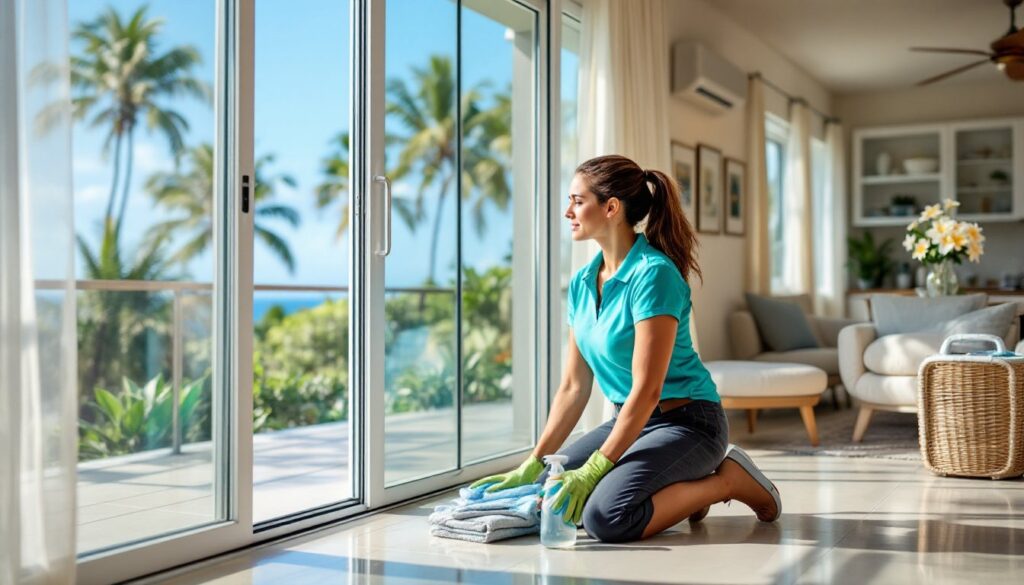
Window tracks and screens collect salt and grime fast. Vacuum tracks with a crevice tool, then scrub with an old toothbrush dipped in soapy water. Rinse screens monthly with a garden hose to prevent buildup that restricts airflow.
Best Cleaning Products for Hawaii’s Climate
Not all cleaners perform well in high humidity. Look for products that resist mildew regrowth and handle mineral deposits from Hawaii’s hard water.
For mold and mildew: Use a cleaner with bleach or hydrogen peroxide on non-porous surfaces like tile, glass, and sealed grout. Cleaning hacks for persistent stains often recommend hydrogen peroxide for mold because it’s less harsh on finishes than chlorine bleach. Apply, let sit for 10 minutes, scrub with a stiff brush, and rinse thoroughly. Wear nitrile gloves and eye protection, bleach fumes are worse in humid, enclosed spaces.
For red dirt and volcanic dust: Skip dry dusting, it just redistributes particles. Use a HEPA-filter vacuum on hard floors and upholstery first, then damp-mop with a solution of warm water and a few drops of dish soap. Microfiber mop heads trap fine dust better than cotton or sponge mops.
For salt corrosion on fixtures: Tested product recommendations often include citric acid–based cleaners like CLR for tough mineral and salt deposits. Apply, let sit for 2–3 minutes, scrub gently, rinse, and dry. For outdoor metal railings and lanai furniture, a marine-grade silicone spray (like 3M Marine Silicone Lubricant) adds a protective barrier after cleaning.
For general surfaces: Avoid wax-based cleaners in humid climates, they trap moisture and attract dust. Use pH-neutral, water-based cleaners that dry quickly and leave no residue. Murphy’s Oil Soap works well on wood floors and furniture without adding buildup.
Pro tip: Store cleaning supplies in a cool, dry spot. Honolulu’s heat and humidity can degrade formulas and cause plastic spray bottles to warp or leak.
When to Hire Professional House Cleaning Services in Honolulu
DIY cleaning works for routine maintenance, but some situations call for professional help. Knowing when to hire out saves time, prevents damage, and ensures the job’s done right.
Hire a pro if you’re dealing with widespread mold. Small patches (under 10 square feet) are manageable with proper PPE and ventilation. Anything larger, especially if it’s grown into drywall, insulation, or subflooring, requires a licensed mold remediation specialist. They’ll assess moisture sources, contain the area, remove affected materials, and treat surfaces with antimicrobial agents. DIY mold cleanup often misses hidden growth and can spread spores throughout the house.
High or hard-to-reach areas are safer left to pros. Cleaning second-story windows, ceiling fans in vaulted ceilings, or exterior siding on multi-level homes involves ladder work. Professional cleaners have the equipment, training, and insurance to handle elevated work safely.
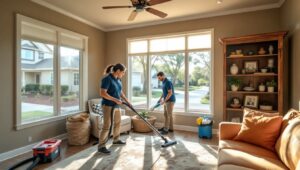
Post-construction or renovation cleanups generate fine dust that embeds in every surface. Pros use industrial HEPA vacuums, microfiber systems, and specialized tools to remove construction residue without scratching new finishes. Doing it yourself risks grinding dust into grout lines, wood grain, or fresh paint.
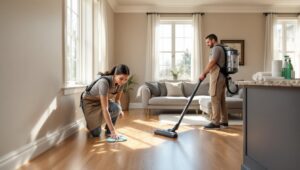
Time and physical limitations matter. If you’re prepping a home for sale, recovering from surgery, or managing a rental property, hiring a cleaning service makes sense. In Honolulu, expect to pay $150–$300 for a standard 3-bedroom, 2-bath home depending on service level (basic vs. deep clean). Move-out cleans and post-construction work cost more, often $300–$600+.
Verify licensing and insurance. Hawaii requires cleaning businesses to carry general liability insurance. Ask for proof before hiring. Check reviews on Google and Yelp, and confirm they’re familiar with island-specific issues like salt corrosion and mold prevention.
What pros should provide: Detailed checklist of tasks, eco-friendly or low-VOC product options (important in humid climates with limited ventilation), and flexibility on scheduling, traffic and parking in Honolulu can be unpredictable.
Room-by-Room Cleaning Strategies for Island Living
Each room in a Honolulu home faces unique challenges. Here’s how to adapt your cleaning routine for maximum effectiveness.
Kitchen: Grease and humidity combine to create sticky film on cabinets and appliances. Wipe down cabinet fronts weekly with a degreasing cleaner (diluted dish soap works). Clean range hood filters monthly, grease buildup restricts airflow and increases fire risk. Check under the sink for mold: the warm, damp environment is a hotspot. Line cabinet floors with removable, washable mats to catch leaks early.
Bathrooms: These are mold’s favorite rooms. After every shower, squeegee glass doors and tile walls to remove 75% of moisture. Wash bath mats and shower curtains every two weeks. Re-caulk tubs and showers annually, old caulk cracks and harbors mold. Use a grout sealer on tile floors and walls: it makes cleaning easier and blocks moisture penetration. Ventilate aggressively, even if it means cracking a window.
Bedrooms and closets: Keep closet doors open during the day to improve airflow. Store off-season clothes in breathable garment bags, not plastic bins, trapped moisture leads to musty odors and mildew. Vacuum mattresses monthly and flip them quarterly to prevent moisture buildup. Dust ceiling fans weekly: they collect salt and dust quickly in Honolulu and redistribute it when running.
Living areas and lanais: Red dirt is the enemy. Place heavy-duty coir or rubber mats at every entrance and enforce a no-shoes policy. Vacuum upholstery and under cushions weekly, dust mites thrive in humid climates. For lanai furniture, hose down cushions monthly and let them dry completely in the sun. Organization strategies for high-traffic areas recommend using washable slipcovers and outdoor-rated fabrics that resist mold and fading.
Flooring: Tile, vinyl, and sealed concrete are the most forgiving in Hawaii’s climate. Hardwood can warp with humidity swings, keep indoor humidity below 60% and wipe up spills immediately. Avoid steam mops on wood: the moisture penetrates seams and causes swelling. For tile grout, scrub with a stiff nylon brush and a baking soda paste every 4–6 weeks. Reseal grout annually to prevent staining and moisture absorption.
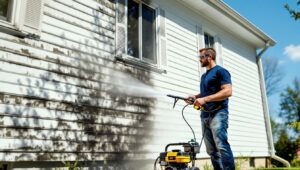
Outdoor areas: Pressure-wash driveways, walkways, and exterior walls annually to remove mold, algae, and salt. Use a 2,000–3,000 PSI electric pressure washer with a 25-degree nozzle to avoid damaging surfaces. Wear safety goggles and closed-toe shoes, rebounding water carries debris. Let surfaces dry fully before applying sealant or paint.
HVAC and air quality: Change HVAC filters every 30–60 days (more often if you have pets or live near construction). Standard fiberglass filters don’t capture fine volcanic dust, upgrade to MERV 8–11 pleated filters. Have ducts inspected and cleaned every 3–5 years: dust and mold in ductwork degrade air quality and reduce system efficiency.
Conclusion
Keeping a Honolulu home clean requires more than good intentions, it takes climate-specific strategies and consistent effort. Address salt, humidity, and dust proactively, and your home will stay healthier and last longer. Whether you DIY or hire help, the key is understanding what island living demands and adjusting your maintenance routine to match.