
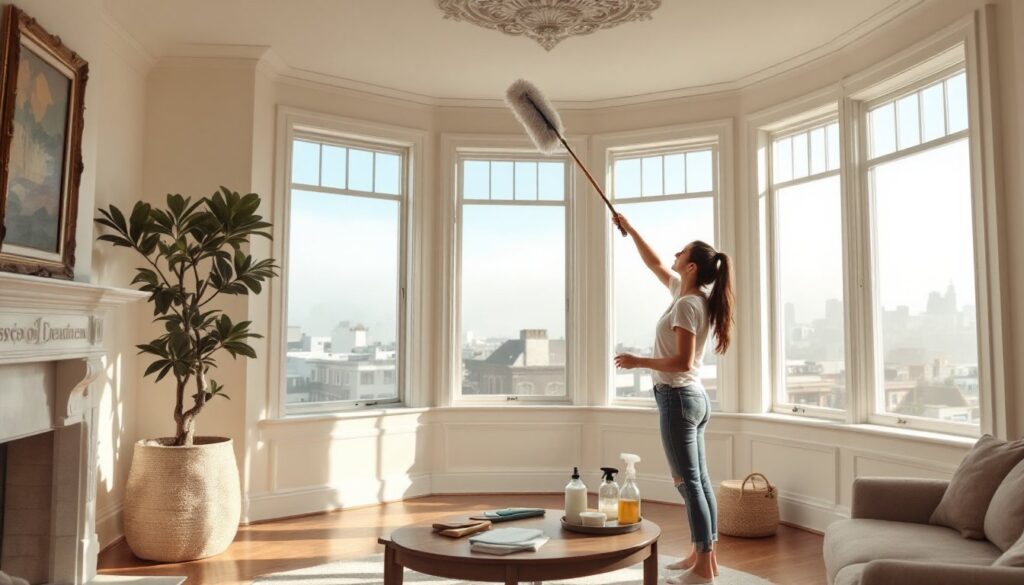

Keeping a San Francisco home clean isn’t the same as tackling housework in Phoenix or Boston. The city’s unique microclimate, constant fog rolling in from the Bay, persistent dampness, and urban dust layering on every surface, creates cleaning challenges that demand specific strategies. Add in Victorian architecture with intricate molding, small living spaces that show grime quickly, and the Bay Area’s push toward eco-friendly products, and homeowners face a distinct set of priorities. This guide walks through the practical, effective methods to maintain a clean SF home without wasting time or money on approaches that don’t fit the environment.
Table of Contents
ToggleKey Takeaways
- San Francisco’s fog, salt air, and urban dust require specialized cleaning strategies beyond standard approaches used in other cities.
- Essential tools like microfiber cloths, squeegees, HEPA vacuums, and eco-friendly solutions (vinegar, baking soda, Castile soap) are critical for effective house cleaning in San Francisco.
- Weekly window cleaning with a vinegar-water solution and monthly grout treatment with hydrogen peroxide combat SF’s unique moisture and mold challenges.
- Hire professional cleaners for move-in/move-out turnover, post-renovation debris, and exterior multi-story window cleaning, while managing routine maintenance yourself.
- A sustainable cleaning routine for San Francisco homes requires daily 5–10 minute touch-ups, weekly 45–60 minute sessions, and quarterly deep cleaning adapted to the city’s foggy, damp climate.
Why San Francisco Homes Need Special Cleaning Attention
San Francisco’s fog isn’t just atmospheric, it deposits a fine film of moisture on windows, sills, and exterior surfaces that attracts dust and particulates. That marine layer brings salt air, which can corrode hardware and leave residue on glass. Homes near the Embarcadero or Ocean Beach deal with this daily.
Urban density adds another layer. Brake dust, exhaust particles, and construction debris from constant renovation projects settle on buildings. If a home sits near a busy corridor like Van Ness or Geary, windows need cleaning twice as often as suburban equivalents.
Many SF homes are older structures, Victorians, Edwardians, pre-war apartments, with high ceilings, ornate trim, and original hardwood. These features are beautiful but accumulate dust in spots most modern homes don’t have: ceiling medallions, picture rails, wainscoting grooves. Cleaning these requires different tools and more time than wiping down drywall and laminate.
Essential Cleaning Supplies for Bay Area Households
Stock a core set of supplies that handle SF-specific grime without creating waste or fumes in tight spaces.
Must-Have Cleaning Tools:
- Microfiber cloths (at least a dozen): These trap fog residue and dust better than cotton rags and can be washed hundreds of times.
- Extendable duster with removable head: Critical for high ceilings and crown molding.
- Squeegee: Non-negotiable for SF windows. A 12-inch rubber blade on an extension pole saves hours.
- HEPA vacuum with attachments: Captures fine particles that standard vacuums recirculate. Look for crevice tools and upholstery brushes.
- Spray bottles (glass or BPA-free plastic): For DIY cleaners.
- Scrub brushes with stiff and soft bristles: For tile grout, baseboards, and delicate surfaces.
Cleaning Solutions That Work:
- White vinegar (5% acidity): Cuts through mineral deposits and fog film on glass.
- Castile soap (liquid): Biodegradable, works on wood, tile, and counters.
- Baking soda: Gentle abrasive for sinks, tubs, and stovetops.
- Isopropyl alcohol (70% or higher): Disinfects without harsh fumes.
- Hydrogen peroxide (3%): Whitens grout and kills mold in damp corners.
Many home organization tips emphasize multipurpose products, and that’s smart in smaller SF apartments where storage is limited. Skip single-use wipes and aerosol sprays, they’re expensive and generate plastic waste that doesn’t align with Bay Area values.
Room-by-Room Cleaning Strategy for San Francisco Homes
Tailor the approach to each space based on use, traffic, and exposure to outdoor elements.
Living Room and Bedrooms:
Dust accumulates fast on baseboards, windowsills, and shelving. Use a damp microfiber cloth, dry dusting just redistributes particles. For hardwood floors common in older SF homes, vacuum first (sweeping scratches the finish with grit), then damp-mop with a diluted Castile soap solution (1 tablespoon per gallon of water). Avoid soaking wood: excess moisture warps boards.
Windows: Mix equal parts water and white vinegar in a spray bottle. Spray, squeegee top-to-bottom in overlapping strokes, wipe the blade between passes. Do this weekly if facing a busy street.
Kitchen:
Grease and cooking residue layer on cabinets and backsplashes. Wipe cabinet fronts monthly with a solution of warm water and a few drops of dish soap. For stubborn grease, sprinkle baking soda on a damp cloth.
Clean range hood filters every two weeks by soaking in hot water with degreasing dish soap. Grease buildup is a fire risk.
Bathroom:
SF’s dampness encourages mold in grout and caulk lines. Spray grout with hydrogen peroxide, let sit 10 minutes, scrub with a stiff brush. For tubs and sinks, make a paste of baking soda and water, it scrubs without scratching porcelain or fiberglass.
Ventilate. Run the exhaust fan during and 20 minutes after every shower. If there’s no fan, crack a window.
Entry and Hallways:
Place heavy-duty mats inside and outside exterior doors. SF streets track in more grit than most cities, wet pavement, construction dust, and remnants from street cleaning. Shake or vacuum mats twice a week to prevent dirt from spreading.
Tackling Common SF Cleaning Challenges: Fog, Dust, and Urban Grime
Fog Film on Windows:
That cloudy residue isn’t dirt, it’s mineral deposits and airborne particles suspended in moisture. Standard glass cleaner doesn’t cut it. Use the vinegar-water solution mentioned earlier, or for heavy buildup, apply undiluted white vinegar with a cloth, let sit five minutes, then squeegee.
Persistent Dust:
SF homes near construction zones or major streets get coated daily. Change HVAC filters every 30 days (use MERV 11 or higher if your system can handle it). Seal gaps around windows with weatherstripping, it keeps dust out and improves energy efficiency. Run an air purifier with a HEPA filter in main living areas.
Mold and Mildew:
Basements, north-facing rooms, and bathrooms are prone to mold. Improve airflow: open windows on dry days, use fans, and don’t let damp towels sit. If mold appears on painted walls, scrub with a 1:10 bleach-water solution (wear gloves and a mask). If mold covers more than 10 square feet or appears on drywall repeatedly, that’s a moisture intrusion issue requiring professional remediation.
Street Grime on Exterior:
If you’re responsible for cleaning your building’s facade (common for single-family Victorians), rent a pressure washer annually. Use a 25-degree nozzle and stay below 1,500 PSI to avoid damaging wood siding or paint. For brick, you can go up to 3,000 PSI. Always test a small, inconspicuous area first.
DIY Deep Cleaning vs. Hiring Professional Services
When to DIY:
Routine maintenance, vacuuming, mopping, wiping surfaces, scrubbing bathrooms, is manageable for most homeowners. Deep cleaning (baseboards, inside appliances, window tracks, light fixtures) takes time but doesn’t require special skills. Block out a Saturday every quarter.
When to Hire Pros:
- Move-in/move-out cleaning: SF rental turnover is high, and landlords expect thorough cleaning. Professional services have industrial equipment and know what property managers inspect.
- Post-renovation cleaning: Drywall dust and construction debris require HEPA vacuums and repeated wipe-downs. Pros do this faster and more thoroughly.
- Exterior window cleaning on multi-story buildings: Ladders on SF’s hills are dangerous. Hire insured professionals with proper safety gear.
- Carpet and upholstery deep cleaning: Rental steam cleaners from hardware stores lack the suction and heat of commercial rigs. For high-traffic areas or stain removal, hire a certified cleaner.
Cost Expectations (2026 SF Market):
Standard cleaning for a 1,200 sq ft apartment runs $150–$250 depending on the company and frequency. Deep cleaning adds $100–$150. Exterior window cleaning for a two-story Victorian averages $200–$350. Prices fluctuate with demand, expect premiums before holidays.
Vet companies by checking licenses, insurance, and reviews. Ask if they bring their own supplies and what cleaning techniques they use. Some services offer eco-friendly options, which matters if you have kids, pets, or sensitivities.
Creating a Sustainable Cleaning Routine That Works
Consistency beats marathon cleaning sessions. Build a schedule that adapts to SF’s environment without burning out.
Daily (5–10 minutes):
- Wipe kitchen counters and stovetop after cooking.
- Squeegee shower walls after use.
- Sweep or vacuum high-traffic areas (entry, kitchen).
Weekly (45–60 minutes):
- Vacuum all floors, including under furniture.
- Mop hard surfaces.
- Clean bathrooms (toilet, sink, tub, mirrors).
- Dust surfaces, including window sills.
- Empty all trash and recycling.
Monthly (2–3 hours):
- Wipe baseboards and door frames.
- Clean interior windows and tracks.
- Scrub grout and caulk lines.
- Wipe cabinet fronts and light switches.
- Vacuum upholstered furniture and under cushions.
Quarterly (half day):
- Deep clean kitchen appliances (oven, refrigerator coils, dishwasher filter).
- Wash curtains or dust blinds.
- Clean light fixtures and ceiling fans.
- Vacuum or wash area rugs.
- Check and replace HVAC filters.
Adapt to Seasons:
SF doesn’t have dramatic seasonal swings, but summer fog is heavier and winter brings occasional rain. Increase window cleaning in summer. In winter, focus on moisture control, run dehumidifiers if indoor humidity tops 60% (use a cheap hygrometer to check).
Efficiency Tips:
Clean top-to-bottom so dust and debris fall to floors you’ll vacuum last. Keep a cleaning caddy stocked and ready, you’re more likely to tackle a task if supplies are in hand. Set a timer for 15-minute bursts: most people can maintain focus and energy for short sprints.
For those in smaller SF spaces, organizing expert Shira Gill explains why her small San Francisco house is easier and faster to clean, less square footage means less time maintaining it, which aligns with practical, sustainable routines.
Conclusion
San Francisco’s fog, urban dust, and historic architecture demand a cleaning approach tailored to the environment. Stock the right tools, establish a routine that matches your schedule, and know when a professional makes sense. With consistent effort and smart strategies, keeping an SF home clean doesn’t have to be a constant battle, it’s just a matter of working with the city’s quirks instead of against them.