
Living in Naples, Florida, comes with perks, Gulf breezes, white-sand beaches, and year-round sunshine. But that subtropical paradise also brings cleaning challenges most homeowners never see coming. Salt air, humidity that hovers near 75%, and fine sand tracked in daily create a perfect storm for grime, mold, and accelerated wear on everything from tile grout to upholstery. Whether someone’s managing a primary residence, a vacation rental, or a snowbird property, keeping a Naples home spotless requires strategies tailored to the coastal climate, not generic advice from cold-weather states.
Table of Contents
ToggleKey Takeaways
- Naples, Florida house cleaning requires specialized strategies tailored to coastal humidity, salt spray, and sand intrusion rather than generic cleaning advice from colder climates.
- Run bathroom exhaust fans for 20+ minutes after showers and use dehumidifiers set to 40-50% humidity to prevent mold growth, which thrives in the subtropical climate.
- Use acidic cleaners like vinegar solutions for salt residue on windows and glass, but avoid acidic products on natural stone to prevent dulling finishes.
- Sand removal demands a shop vac with HEPA filter on tile and hardwood floors; standard vacuums push sand deeper into fibers and risk motor damage.
- Professional house cleaning in Naples costs $120-180 for routine cleaning or $250-400 for deep cleaning, and is recommended for post-construction work, mold over 10 square feet, or seasonal property maintenance.
- Adjust cleaning priorities seasonally: focus on moisture control during wet season (May-October) and salt film removal during dry season (November-April) to combat humidity and coastal weather exposure.
Why Naples Homeowners Need Specialized Cleaning Solutions
Naples sits on the southwestern Gulf Coast, where ocean proximity and subtropical humidity create unique housekeeping demands. Salt spray travels inland, leaving a fine mineral film on windows, outdoor furniture, and even interior surfaces near open lanais. This residue attracts moisture and dust, creating a sticky layer that standard cleaners struggle to remove.
Humidity levels averaging 74% year-round encourage mold and mildew growth in bathrooms, closets, and air conditioning ducts. Unlike dryer climates where dust settles and sits, Naples air holds moisture that binds particles to surfaces, making weekly dusting feel like a daily chore.
Sand intrusion is constant. Even homes blocks from the beach deal with silica particles tracked in on shoes, pet paws, and beach gear. Sand scratches tile grout, embeds in carpet fibers, and clogs vacuum filters faster than typical household dirt. High-traffic areas need frequent sweeping and wet mopping to prevent abrasive buildup.
Standard cleaning schedules from northern states don’t translate here. A home in Michigan might need deep cleaning quarterly: a Naples property often requires it monthly to stay ahead of salt corrosion, moisture damage, and the relentless fine dust that settles on ceiling fans and baseboards overnight.
DIY House Cleaning Tips for Naples Homes
Tackling Florida’s Humidity and Mold Issues
Mold spores thrive in Naples bathrooms, laundry rooms, and any space with poor ventilation. Prevention beats remediation every time, and it starts with airflow.
Run bathroom exhaust fans for at least 20 minutes after showers. If the home lacks exhaust fans or they’re underpowered (check the CFM rating: bathrooms need 50-80 CFM minimum), crack a window or run a portable fan toward an open door. Wipe down shower walls with a squeegee immediately after use to remove standing water before it evaporates into the air.
For existing mold on tile grout or caulk, mix one part white vinegar to one part water in a spray bottle. Saturate the area, let it sit 15 minutes, then scrub with a stiff nylon brush (not metal, it scratches tile). Rinse thoroughly. For stubborn black mold, use a solution of 1 cup bleach per gallon of water, but wear nitrile gloves, eye protection, and ensure cross-ventilation. Never mix bleach with vinegar or ammonia-based cleaners, it creates toxic chlorine gas.
Dehumidifiers make a measurable difference. Place one in the master closet and another in the laundry room, aiming to keep indoor humidity between 40-50%. Empty collection tanks daily or route the drain hose to a floor drain or sump. Clean the coils quarterly to maintain efficiency.
Check HVAC air filters monthly, not quarterly. High humidity clogs filters faster, reducing airflow and forcing the system to work harder. Use MERV 8-11 filters for balanced filtration without overloading residential HVAC blowers.
Best Cleaning Products for Saltwater and Sand Exposure
Salt residue demands acidic cleaners to break mineral bonds. For windows and glass sliders, use a solution of two tablespoons white vinegar per quart of water with a microfiber cloth. Avoid paper towels, they leave lint that sticks to salt film. For stubborn buildup, spray undiluted vinegar, let it dwell 5 minutes, then wipe clean.
Outdoor furniture, especially aluminum and powder-coated steel, needs monthly rinsing with fresh water to prevent salt corrosion. For deep cleaning, mix 1/4 cup mild dish soap per gallon of warm water and scrub with a soft brush. Rinse thoroughly and dry with a towel to prevent water spots.
Sand requires wet-dry vacuum power. Standard upright vacuums with beater bars push sand deeper into carpet fibers and risk motor burnout from fine particle intrusion. A shop vac with a HEPA filter handles sand on tile, hardwood, and low-pile carpet without damage. For area rugs, take them outside and shake vigorously before vacuuming, this removes 70% of embedded sand before it ever hits the vacuum.
Tile and grout need pH-neutral cleaners to avoid etching natural stone like travertine or marble (common in Naples homes). Products labeled “stone-safe” typically have a pH between 7-10. Avoid acidic cleaners (vinegar, lemon-based products) on natural stone, they dull the finish over time. For ceramic tile, a simple cleaning routine using warm water and a few drops of dish soap works for daily maintenance.
Invest in microfiber mops with removable, washable pads. Disposable pads generate waste and cost more over time. Microfiber traps fine sand particles instead of pushing them around, and machine-washing the pads between uses maintains their effectiveness.
When to Hire Professional House Cleaning Services in Naples
DIY cleaning works for routine maintenance, but certain situations justify bringing in professionals. Post-construction cleaning after a remodel or addition requires industrial vacuums and specialty products to remove drywall dust, grout haze, and construction debris without damaging new finishes. Attempting this with household equipment risks scratching new flooring or clogging HVAC systems with fine particles.
Move-in and move-out cleanings for rental properties need thoroughness that goes beyond surface work. Professional crews detail baseboards, clean inside appliances, scrub grout lines, and remove mineral deposits from faucets and showerheads, tasks that take DIYers 12+ hours but professionals finish in 3-4 with commercial-grade equipment.
If mold covers more than 10 square feet (a 3×3 area), the EPA recommends professional remediation. Large-scale mold indicates a moisture problem that cleaning alone won’t fix. Professionals identify the source, leaking roof, failed window seal, poor ventilation, and address both the symptom and cause.
Snowbirds leaving properties vacant for 4-6 months should schedule bi-weekly or monthly cleanings to prevent humidity damage, check for leaks, and run faucets to keep drain traps filled (preventing sewer gas intrusion). Many tested cleaning services also offer property checks as part of their packages.
When hiring, verify the company carries general liability insurance and workers’ compensation coverage. Ask whether they bring their own supplies or expect homeowners to provide them. Clarify what’s included, does “deep clean” mean inside the oven and refrigerator, or just exterior wipe-down? Get specifics in writing.
Expect to pay $120-180 for a standard 2,000 sq ft home (routine cleaning), or $250-400 for deep cleaning with interior appliances, baseboards, and window tracks. Prices fluctuate with home size, service frequency (weekly clients get better rates), and seasonal demand (snowbird season November-April sees higher rates).
Seasonal Cleaning Strategies for Naples Climate
Naples experiences two dominant seasons: wet season (May-October) and dry season (November-April). Each demands different cleaning priorities.
Wet season brings afternoon thunderstorms, higher humidity, and increased mold risk. Focus on moisture control:
- Inspect window and door seals monthly for leaks. Even small intrusions saturate drywall and carpet padding.
- Clean AC drain lines with a wet-dry vac and flush with 1/4 cup bleach followed by a gallon of water quarterly. Clogged drain lines cause indoor flooding.
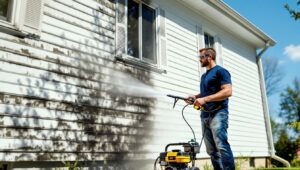
- Power-wash exterior surfaces (driveways, walkways, stucco) to remove mildew before it etches into porous materials.
- Check attic ventilation. Soffit and ridge vents should create continuous airflow: blocked vents trap moisture and cook insulation.
Dry season (peak snowbird months) means more entertaining, higher occupancy, and salt exposure:
- Wash windows inside and out monthly. Salt haze builds faster with Gulf breezes and blocks natural light.
- Detail outdoor living spaces, lanais, pool decks, outdoor kitchens. Furniture cushions should be vacuumed and spot-cleaned: mildew loves fabric during the transition from wet to dry season.
- Service HVAC systems before November when temps drop and heating cycles start. Dust and debris accumulate on heat exchangers during idle summer months.
- Deep-clean carpets and upholstery before holiday guests arrive. Professional steam cleaning removes embedded sand and allergens that vacuuming misses.
Hurricane season prep (June 1-November 30) overlaps wet season. Before a storm:
- Clear gutters and downspouts of debris to prevent roof overflow.
- Move valuable rugs, electronics, and documents to upper floors or waterproof containers.
- Fill bathtubs and large containers with fresh water (municipal systems may fail post-storm).
- Photograph each room for insurance documentation.
Post-storm, inspect for water intrusion immediately. Pull back carpets to check padding: wet padding molds within 24-48 hours and must be replaced, not dried. Run dehumidifiers and fans continuously until moisture meters (available at hardware stores for $25-40) show readings below 15% in drywall and wood.
Conclusion
Maintaining a Naples home means adapting to coastal realities, salt, sand, and relentless humidity. DIY efforts work best when paired with the right tools and products for the climate, while professional help makes sense for deep cleans, mold issues, and property management during absences. Build a routine around Naples’ seasonal shifts, stay ahead of moisture problems, and that paradise view stays clearer without the film of neglect.