

Moving day planning trends 2026 are reshaping how people relocate across the United States. The moving industry has shifted significantly over the past few years, and 2026 brings fresh approaches that prioritize convenience, sustainability, and cost savings. Whether someone plans a cross-country move or a local apartment switch, understanding these trends helps them make smarter decisions.
This year, technology plays a bigger role than ever. Environmental concerns drive new practices. And flexibility has become a priority for movers and moving companies alike. Here’s what to expect when planning a move in 2026.
Table of Contents
ToggleKey Takeaways
- Moving day planning trends 2026 emphasize technology, sustainability, and flexible scheduling to create a smoother relocation experience.
- Virtual surveys, AI-powered inventory apps, and real-time GPS tracking are now standard tools that save time and reduce moving day stress.
- Eco-friendly practices like reusable crate rentals, electric moving trucks, and biodegradable packing materials have become mainstream expectations.
- Off-peak moving discounts of 20-40% reward customers who schedule mid-week or mid-month relocations instead of busy weekends.
- Hybrid moving services let you customize your move by combining DIY tasks with professional help for loading, packing, or furniture assembly.
- Portable container services and split-move options give flexibility for those who prefer self-paced packing or phased relocations.
Tech-Driven Moving Solutions on the Rise
Technology has transformed moving day planning trends 2026 in practical ways. Virtual surveys now replace most in-home estimates. Customers use their smartphones to video-call moving consultants, who assess belongings and provide accurate quotes within minutes. This saves time for everyone involved.
AI-powered inventory apps have gained popularity. These tools let users photograph their items, and the software automatically categorizes and estimates box quantities. Some apps even suggest optimal packing strategies based on item fragility and destination distance.
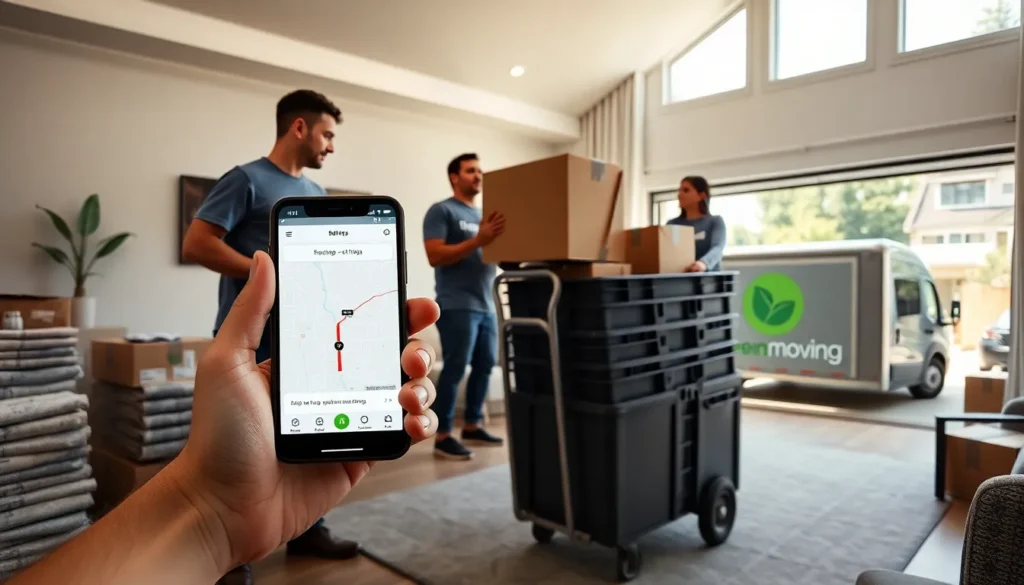
Real-time tracking has become standard. Moving companies now offer GPS tracking for trucks, so customers know exactly where their belongings are during transit. This feature reduces anxiety and helps people coordinate arrival times with utility setups and key exchanges.
Smart home integration is another growing trend. Movers can now sync their schedules with smart locks and security systems. This allows moving crews to access properties during approved windows without homeowners needing to be present. For busy professionals, this flexibility is a game-changer.
Digital payment and contract systems have also streamlined the process. E-signatures, instant invoicing, and secure payment portals eliminate paperwork hassles. Many companies now offer subscription-style moving packages where customers pay monthly for storage and gradual item transfers.
Sustainable and Eco-Friendly Moving Practices
Environmental awareness shapes moving day planning trends 2026 more than any previous year. Green moving practices have shifted from niche options to mainstream expectations.
Reusable plastic crate rentals continue to grow. Companies deliver sturdy crates before the move, pick them up after unpacking, and sanitize them for the next customer. This approach eliminates cardboard waste entirely. Some estimates suggest a single household move can save over 60 pounds of cardboard waste by switching to reusable crates.
Electric moving trucks are appearing in more metropolitan areas. Major carriers have added electric vehicles to their fleets, particularly for local moves under 100 miles. These trucks produce zero direct emissions and operate more quietly, a welcome change for early morning or late evening moves in residential neighborhoods.
Packing materials have evolved too. Biodegradable bubble wrap, recycled paper padding, and cornstarch-based packing peanuts are replacing traditional petroleum-based options. Some moving companies now offer “zero-waste” packages that guarantee all materials used are either recyclable or compostable.
Donation partnerships have become standard practice. Moving companies often coordinate with local charities to pick up unwanted items directly during the packing process. This simplifies decluttering and keeps usable goods out of landfills. For customers, it means fewer items to move and potential tax deductions.
Flexible Scheduling and Off-Peak Moving
Flexibility defines moving day planning trends 2026 as both customers and companies adapt to changing work patterns. Remote work has permanently altered when and how people move.
Off-peak moving discounts have become more aggressive. Moving companies now offer 20-40% discounts for mid-week and mid-month moves. Since demand peaks on weekends and at month’s end, companies incentivize customers to choose less busy times. Smart movers take advantage of these savings.
Extended booking windows are another shift. Many companies now allow reservations up to a year in advance with locked-in pricing. This protects customers from seasonal rate increases and guarantees crew availability during high-demand periods like summer.
Same-day and next-day moving services have expanded. For people with sudden relocations due to job changes or housing emergencies, several national carriers now offer expedited services in major cities. These come at premium prices but fill a real need.
Evening and overnight moves are gaining acceptance. Some urban areas with traffic congestion have seen a rise in late-night relocations. Moving companies charge differently for these time slots, and customers who can handle the schedule disruption often find better availability and faster transit times.
Split-move options let customers move belongings in phases. Someone might transport essential items first and schedule secondary shipments over weeks or months. This approach works well for people renovating new homes or those temporarily downsizing.
Hybrid DIY and Professional Moving Services
The hybrid model stands out among moving day planning trends 2026. More people want control over their moves without handling every task themselves.
Labor-only services have surged in popularity. Customers rent their own trucks and hire professional movers just for loading and unloading. This combination often costs 30-50% less than full-service moves while still protecting backs and fragile items.
Packing assistance has become modular. Instead of all-or-nothing packages, moving companies now offer room-by-room pricing. Someone might hire professionals to pack the kitchen, with its fragile dishes and awkward appliances, while handling bedroom closets themselves.
Portable container services continue their growth trajectory. Companies drop off containers at a customer’s home, the customer packs at their own pace, and the company transports the loaded container to the new address. This self-paced approach reduces stress and works well for moves without rigid deadlines.
Furniture disassembly and reassembly services are now commonly offered as standalone options. For people comfortable with packing but intimidated by complex bed frames or modular shelving systems, this targeted help makes sense.
The gig economy has entered moving too. Apps now connect customers with vetted independent movers for small jobs. Need help carrying a couch down three flights of stairs? Someone can book two helpers for an hour. This micro-service model fills gaps that traditional moving companies don’t address efficiently.